AGP Executive Report
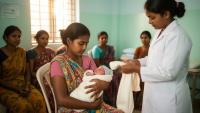
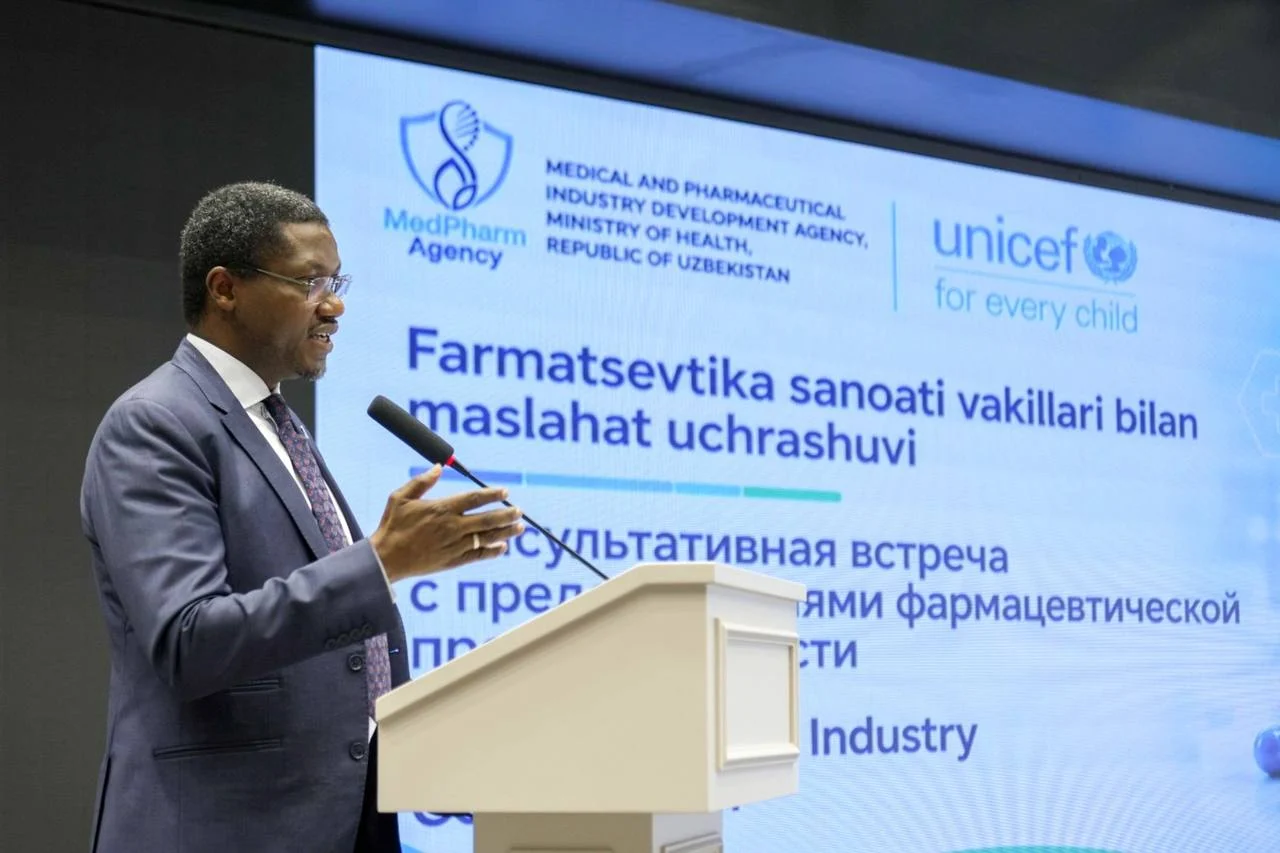
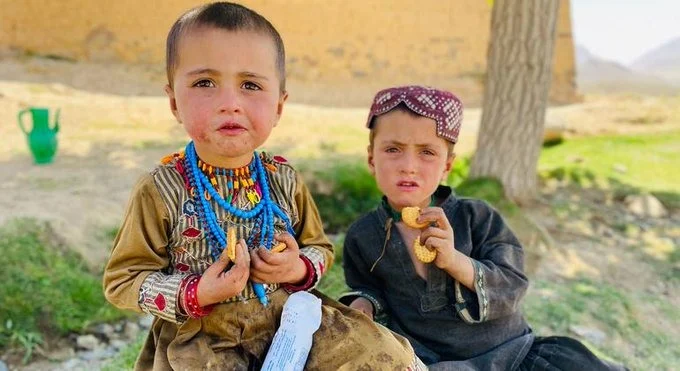
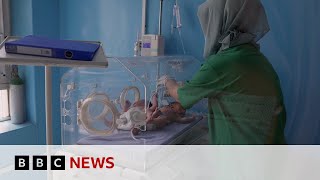
Last update: a minute agoMedicines: UNICEF says reliable access to quality medicines is essential for Afghan children and families, and is exploring regional supply partnerships as shortages and limited healthcare access continue to affect remote communities. Newborn Care: A study in Pakistan and Afghanistan found that parenting classes integrated into routine clinic visits boosted parents’ confidence and responsive care for newborns, offering a practical way to reach families. Hunger and Malnutrition: Aid agencies warn that nearly 19.2 million Afghans could face hunger this winter, while more than four million children may need treatment for acute malnutrition in 2027 as aid cuts deepen the crisis.
Note: AI summary from news headlines; neutral sources weighted more to help reduce bias in the result. Feedback is welcome. Please let us know if you have any comments or suggestions about the AGP Executive Report.
 Perspectify News